March 25, 2026 | New Orleans, LA – The Overlook Film Festival, the annual celebration of all things horror, announced today the full schedule for its 10th anniversary edition, including a surprise new film section and live events. Taking place April 9 – April 12 in America’s most haunted city, New Orleans, Louisiana at the Prytania Theatres, the horror festival announced fifteen additional films, nearly doubling the size of its features lineup, as well as new immersive events, presentations and parties. The full festival schedule can be found at overlookfilmfest.com/schedule.
The new additions to the lineup bring the festival total to 62 films (36 features and 26 shorts) from 10 countries, as well as 10 live events and six immersive experiences, making this the largest and most varied Overlook lineup in the festival’s history.
Highlighting the additions is a brand new film section, Side Shows. In a first for The Overlook, this section will feature upcoming genre films which may fall outside of horror but still feel tailor-made for the world of the Overlook. Those include IFC’s Over Your Dead Body, the latest work from comedic mastermind Jorma Taccone (The Lonely Island), who will be on hand to present this action-comedy in which a married couple (Jason Segel and Samara Weaving) use a romantic getaway as an excuse to plot each other’s murder; Magnolia’s Normal, an action thriller, from genre-bending director Ben Wheatley, about a small town sheriff (Bob Odenkirk) who, following a local bank robbery, uncovers a web of dark dealings in the place he calls home; and Lionsgate’s The Furious, from director Kenji Tanigaki, in which a desperate father teams up with a street-smart journalist as they fight their way through an international criminal network in a desperate bid to save his daughter.
“Over the years, as the Overlook has grown, we’ve been looking at ways to incorporate other genres into the program,” said Michael Lerman, co-founder and Director of Film Programming of The Overlook Film Festival. “Obviously, the heartbeat of the festival is horror, but we wanted to showcase some films that may fall outside that description but include the same kinds of thrills and chills, the same amounts of tension and gore and artistry that you can expect from anything in the Overlook program. We truly love these movies and we think the audience will too.”
Other exciting additions to the packed film lineup include Affection, in which a woman tries to adjust to life back home after a brutal accident which causes her memory to reset; American Dollhouse, where an unsuspecting woman becomes the object of her psychotic neighbor’s obsession; the darkly hilarious Buddy, straight from the unique mind of writer/director Casper Kelly (Too Many Cooks), in which a girl and her friends must escape from a magical tv show mascot when he can no longer keep his murderous tendencies to himself; Simon Glassman’s cutting-edge creepshow Buffet Infinity, which tells the story of rival restaurants competing for their town’s business, told entirely through fake commercials; Capturing Bigfoot, an investigation into the most analyzed and debated 59 seconds of film in history; the gory and campy CRAMPS! A Period Piece, our Local Spotlight film from Overlook alum (and previous Grand Jury Award-winner) Brooke H. Cellars, which depicts a young woman whose quest to defy her family is upended when her menstrual cramps manifest themselves as actual monsters; Flush, a gross-out festival favorite about a well intentioned drug addict who finds himself with his head stuck in a toilet; Grind, a hilarious and terrifying anthology featuring four distinct stories examining modern work culture; Mārama, a bone-chilling kiwi gothic horror in which a Māori teacher travels to the manor of a wealthy whaler in search of buried truths about her family; The Restoration at Grayson Manor, where, after a freak accident leaves him handless, the proprietor of the titular manor is given a set of prosthetics controlled by his subconscious; and Suffocation, a chilling Taiwanese twist on J-horror tropes which follows a group of elite high school swimmers who find themselves cursed by a mysterious evil.
In addition to these upcoming features, a thrilling new retrospective showing was announced of Demon Lover Diary. Often considered a prototype for films like American Movie, the Overlook is proud to present an extremely rare 4k screening of this hilarious and horrifying portrait of ambition gone off the rails from the late pioneering cinema verité filmmaker Joel DeMott. The film’s subject, Jeff Kreines, will be on hand for this unique experience.
Of course it wouldn’t be the Overlook without live celebrations as well, and this year’s 10th anniversary lineup features no shortage of them. Making their triumphant return to the Overlook will be The Boulet Brothers, who will be kicking off their new tour with The Boulet Brothers’ Dragula: Titans Tour, a live show combining shocking performances, cinematic visuals and incredible monsters into an unforgettable combination that only they could create.
Wrapping up the festival will be the Closing Night Party: Théâtre des Vampires. 50 years ago to the exact date, on April 12th, 1976, Anne Rice published the New Orleans classic and global phenomenon Interview With The Vampire, and forever changed the lore, mythos, history and perception of the Vampyre. This party will celebrate the endless oblivion of eternal night with an evening that recreates the city’s ethereal relationship with vampires in all their forms.
“It’s been such a thrill to host some of the most innovative and bizarre screenings and events each year at the Overlook, but it’s truly special to be able to help re-introduce one of the all-time great works of American cinema, with this extremely rare showing of Demon Lover Diary,” said Landon Zakheim, co-founder and Executive Director of the Overlook Film Festival. “It’s an honor to welcome back The Boulets as they kick off their new tour right here, and to hold our annual carnival of horrors during the exact date that Anne Rice’s Interview With The Vampire turns 50 all feels like it was meant to be. New Orleans is a magical place and we’re lucky that all of the wild events that make up our circus get to be part of the magick.”
The festival’s acclaimed immersive program, presented by American Immersion Theater, has expanded with three new additions; a remounted edition of an acclaimed thriller from 2023, Claws is a terrifying interactive experience for an audience of one where you must choose whether to help the monster in your closet; The Pumpkin Pie Show Presents: One-On-Ones is another returning favorite, this one created by acclaimed writer Clay McLeod Chapman (The Restoration at Grayson Manor), which takes one audience member on a sometimes humorous, sometimes heartbreaking ride through the domestic horrors of the everyday; and Rebozo, an extremely limited series of audio performances told over six phone calls that occur over the course of two days, which only a lucky select few at the Overlook will get to experience.
Among the panels and live events at the festival will be U R Hell: Techno Terrors in the 21st Century, a discussion on how horror and genre fans connect today in an age where the way we consume media has completely changed; Fear Factors: Alt-Horror Experiences, in which some of the boldest voices in their mediums celebrate the ways horror can venture beyond the screen into daring new art forms; and The Boulet Brothers’ House of Horror Hosts: Past, Present, and Undead, where Dragula creators Dracmorda and Swanthula Boulet give a haunting and hilarious deep dive into the art of horror hosting as they prepare to embark on their Dragula: Titans Tour.
Finally, the jury members who will be determining the film prizes at this year’s Overlook were announced. The Features Jury is made up of Vera Drew, the multi-hyphenate whose debut film, The People’s Joker, was released in 2024, garnering acclaim and a Film Independent Spirit Award nomination; Jongsuk Thomas Nam, whose roles include that of festival programmer for the Bucheon International Fantastic Film Festival, curator of AFTER DARK at MAMI Mumbai Film Festival and managing director of the Network of Asian Fantastic Films; and Jen Yamato, the award-winning journalist, formerly with the Los Angeles Times, where she reported on the movie beat, contributed film criticism and co-hosted and co-created the Asian Enough podcast. The Shorts Jury is comprised of author and film critic Payton McCarty-Simas, whose writing has been featured in The Hollywood Reporter, Fangoria, Little White Lies and others; award-winning playwright, podcaster and writer Sharai Bohannon, who is one half of the Blerdy Massacre podcast team also hosts A Nightmare on Fierce Street and serves as co-EIC at Horror Movie Blog; and writer/director Jenn Wexler whose directorial debut, The Ranger, premiered at SXSW and was released by AMC Shudder.
The festival is programmed by Co-Founders Landon Zakheim & Michael Lerman; Programmer Daniel Crooke; Short Film Programmer Katie Rife; and Programming Manager Cameron Asharian.
The full lineup of films, experiences, live events and immersive content is included below, with additional programming to be announced as the festival approaches.
NEW ADDITIONS
Side Shows
Genre diversions from horror tailor-made for the world of the Overlook.
Presented by Magnolia Pictures
The Furious
Director: Kenji Tanigaki
Cast: Miao Xie, Joe Taslim, Yang Enyou, Brian Le, Joey Iwanaga
Hong Kong SAR China, 2026
When his daughter Rainy is abducted, humble tradesman Wang Wei is thrust into a deadly underworld of corruption and violence. His only ally is Navin, a relentless journalist haunted by his own past. Together, they fight their way through an international criminal network in a desperate bid to save Rainy and uncover the truth.
Normal
Director: Ben Wheatley
Cast: Bob Odenkirk, Henry Winkler, Lena Headey
United States, 2025
Genre-bending director Ben Wheatley (Kill List, Sightseers) returns with a razor sharp action thriller about a small town sheriff (Bob Odenkirk) who, following a local bank robbery, uncovers a web of dark dealings in the place he calls home.
Over Your Dead Body
Director: Jorma Taccone
Cast: Jason Segel, Samara Weaving, Timothy Olyphant, Juliette Lewis, Paul Guilfoyle, Keith Jardine
United States, 2026
Pitch-perfectly directed by Jorma Taccone (Popstar: Never Stop Never Stopping, The Lonely Island), this action-comedy remake of Tommy Wirkola’s The Trip follows a husband and wife (Jason Segel and Samara Weaving) who take a remote weekend getaway as an opportunity to secretly plot to kill each other.
New Feature Film Presentations
International Titles Presented by MUBI
Affection
Director: BT Meza
Cast: Jessica Rothe, Joseph Cross, Julianna Layne
United States, 2025
Ellie wakes up after a brutal car accident, discovering that she has a rare condition that frequently resets her memory. As she tries to assimilate back into life with her husband and daughter in their secluded home, she starts to get the unsettling feeling that not everything is what it seems.
American Dollhouse
Director: John Valley
Cast: Hailley Lauren, Kelsey Pribilski, Tinus Seaux, Danielle Evon Ploeger, Richard C. Jones
United States, 2025
After inheriting her childhood home, an unsuspecting woman becomes the object of her psychotic neighbor’s obsession, spiraling her down a violent path of stalking and possession that can only lead her to an extremely bloody Christmas.
Buddy
Director: Casper Kelly
Cast: Cristin Milioti, Delaney Quinn, Topher Grace, Keegan-Michael Key, Michael Shannon, Patton Oswalt
United States, 2026
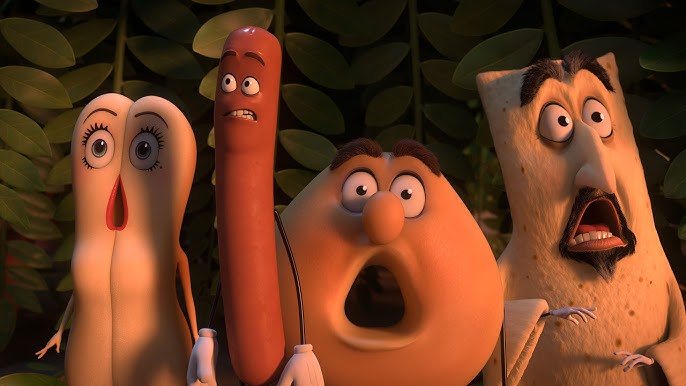
From the unique and twisted mind of iconic writer-director Casper Kelly (Too Many Cooks, Yule Log) comes the tale of a courageous girl and her friends who must fight to escape the sinister clutches of a kid’s television show.
Buffet Infinity
Director: Simon Glassman
Cast: Kevin Singh, Ahmed Ahmed, Brandon Vanderwall
Canada, 2026
Told entirely through a series of fake commercials, Simon Glassman’s cutting-edge creepshow is the story of rival restaurants competing through local TV marketing for their town’s business… and maybe more. What is going on in Westridge County?
Capturing Bigfoot
Director: Marq Evans
Cast: Clint Patterson, Bob Gimlin, Bob Heironimus, Larry Lund, Greg Long, Vaile Thompson, Sandy Collier, Bill Munns
United States, 2026
On October 20, 1967, Roger Patterson captured 59 seconds of film showing a creature walking through the Northern California woods—footage that became the most analyzed and debated in history. Fifty-seven years later, a reel of 16mm film discovered in a safe changes everything.
CRAMPS! A Period Piece
Local Spotlight
Director: Brooke H. Cellars
Cast: Lauren Kitchen, Vincent Stalba, Jared Bankens, Martini Bear, P*$$y D’lish, Wicken Taylor
United States, 2025
In a fanciful technicolor town full of dueling beauty shops, drag queens and midcentury flair, a young woman’s quest to defy her family is upended when her menstrual cramps manifest themselves as actual monsters. At once gory and campy, Overlook alum (and previous Grand Jury Prize winner) Brooke H. Cellars makes their feature debut with a film that’s as fun as it is horrific.
Flush
Director: Grégory Morin
Cast: Jonathan Lambert, Élodie Navarre, Rémy Adriaens, Elliot Jenicot
France, 2025
All Luke wanted to do was win his girlfriend back. Finding himself on the bad end of a drug deal gone wrong, this well-intentioned cocaine addict is now trapped with his head stuck in a squat toilet. Desperate for escape, Luke must contend with ruthless gangsters, a mischievous rat and a barrage of other shit (literally) if he’s going to survive the night in this gross-out festival favorite.
Grind
Director: Brea Grant, Ed Dougherty, Chelsea Stardust
Cast: Barbara Crampton, Rob Huebel, Christopher Rodriguez-Marquette, Vinny Thomas, Jessika Van, James A Janisse, James Urbaniak
United States, 2025
Overlook alums Brea Grant, Ed Dougherty and Chelsea Stardust return with a hilarious and terrifying anthological look at modern work culture. Featuring four distinct stories (including Overlook hit MLM), this zany, bloody, wacko tale of inequality is sure to galvanize anyone who has ever felt lost in a sea of menial repetitious tasks.
Mārama
Director: Taratoa Stappard
Cast: Ariana Osborne; Toby Stephens; Umi Myers
New Zealand, 2025
Set in on the moors of 1859 North Yorkshire, this gothic horror follows a Māori teacher who travels to the manor of a wealthy whaler in search of buried truths about her family. What she finds there is something far more threatening – dark secrets that define the grim legacy of the British empire in this bone-chilling Kiwi tale.
The Restoration at Grayson Manor
Director: Glenn McQuaid
Cast: Chris Colfer, Alice Krige, Daniel Adegboyega, Declan Reynolds, Gabriela Garcia Vargas, Matthew McMahon
Ireland, 2024
When a freak accident leaves the proprietor of Grayson Manor handless, his overbearing mother turns to an experimental treatment, giving him a set of prosthetics controlled by his subconscious. From the twisted mind of writer Clay McCleod Chapman (The Pumpkin Pie Show) and director Glenn McQuaid (I Sell the Dead) comes this sexy, pulpy, Warhol-coded romp.
Suffocation
Director: Louis Chan, Stone Chang
Cast: Yao Ai Ning, Wang Yu Ping, Chu Meng Syuan, Julia Huang, Rainie Dun, Helen Wang, Chun Hong
Taiwan, 2026
Told through a haunting series of Steadicam shots, this chilling Taiwanese twist on J-horror tropes follows a group of elite high school swimmers who find themselves cursed by a mysterious evil after releasing a video that exposes a teacher-student relationship.
New Retrospective Film Presentation
Demon Lover Diary
Director: Joel DeMott
Cast: Joel DeMott, Jeff Kreines, Donald G. Jackson, Jerry Younkins
United States, 1980
Jeff, a documentary filmmaker, is shooting a low-budget horror film for Don and Jerry, two Michigan factory workers. Jeff’s girlfriend Joel tags along, making a diary film. What could possibly go wrong? The Overlook Film Festival is proud to present an extremely rare 4K screening of this hilarious and horrifying portrait of ambition gone off the rails from the late, pioneering cinema verité filmmaker Joel DeMott.
Panel Presentations
Presented by SAGIndie
The Boulet Brothers’ House of Horror Hosts: Past, Present, and Undead
From local late-night broadcasts to the global reach of streaming, the Queens of Darkness, The Boulet Brothers (Dracmorda and Swanthula), trace the evolution of one of horror’s most enduring traditions: the art of horror hosting. In this lively and unfiltered conversation, they explore the legacy of iconic figures like Vampira, Elvira, Vincent Price and The Crypt Keeper, the rise of horror entertainment from local television to immersive experiences like Knott’s Scary Farm, and how they’ve reimagined the format for modern audiences through The Boulet Brothers’ Dragula and their original scripted holiday specials on Shudder.
Featuring never-before-seen materials gifted directly to the Boulet Brothers from Vampira herself (including rare poems and original artwork), this special presentation offers an intimate and unprecedented glimpse into horror history while charting the future of the genre. Blending glamour, filth and fright, the Boulet Brothers reveal what it takes to build a new generation of horror hosting, and why the role still matters today.
Fear Factors: Alt-Horror Experiences
Panelists: Ben Blacker (“The Thrilling Adventure Hour”), Marita Crandle (Boutique Du Vampyre), Jassy (Choke Hole), Ash LeTourneau (LA By Night, Overlook Film Festival), Evan Neiden (Candle House Collective). Moderated by Angel Melanson (FANGORIA)
A celebration of all things horror must venture beyond the screen into daring art forms both new and old that challenge the way we experience art. Bringing fans together in interactive and inspiring ways through music, theater, gaming, haunted houses, immersive activations, radio plays and experimental performance, there truly is no end to where the genre can take the curious. Hear from some of the boldest voices in their mediums and learn what it takes to create the next frontier.
Independent Spirits: Genre Filmmaking From The Trenches
Moderated by Kimberly Leszak (FANGORIA)
If it’s easier than ever to make a film, then why is it so damn hard? And how come every time you get through the hardest part, then next comes the hardest part? Why do we go through our own horror movie just to make a horror movie? Some of the most exciting festival alums and filmmakers from our program will walk us through how they got it done when it counted, and where we go from here.
U R Hell: Techno Terrors in the 21st Century
Panelists: James Janisse & Chelsea Rebecca (Dead Meat), Angel Melanson (FANGORIA),Vera Drew (The People’s Joker). Moderated by Phil Nobile Jr. (FANGORIA)
The internet was supposed to change everything. And then it did. The apocalypse has been unleashed and has transformed the way we consume media But within these hellsites, communities have formed and new ways to make, celebrate and promote our favorite genre thrive. How does horror connect today? What makes a grassroots success story? Log in and find out.
Special Event Presentations
The Boulet Brothers Present: The Overlook Festival’s Final Nightmare- The Boulet Brothers’ Dragula: Titans Tour Kickoff
Close out the Overlook Film Festival with its final after-dark event. As the festival ends, The Boulet Brothers invite you into one last descent into horror with the kickoff of The Boulet Brothers’ Dragula: Titans Tour, a live stage spectacular blending shocking performances, cinematic visuals and unforgettable monsters. Part live show, part closing-night celebration, this special event serves as the festival’s ultimate sendoff. Overlook attendees receive 25% off tickets for this exclusive finale.
Closing Night Party: Théâtre des Vampires
50 years ago on April 12th, 1976, Anne Rice published the New Orleans classic and global phenomenon Interview With The Vampire, and forever changed the lore, mythos, history and perception of that most magnificent of creatures – the Vampyre. Celebrate the endless oblivion of eternal night with an evening that recreates the city’s ethereal relationship with vampires in all their forms on this most hallowed of dates.
Horror Trivia
FREE EVENT
Presented by Daily Dead
Test your fright — if you dare. Join Daily Dead’s Jonathan James, for our annual horror trivia night. Prizes, drinks and four ghoulish rounds of only mildly obscure nuggets you’ll definitely know, and all of those sequel subtitles you’ll definitely wish you didn’t. Scare yourself with how much you actually know about horror.
Opening Night Party: Welcome To Hell
We opened last year’s festival by declaring 2025 “the worst year of our lives but a great year for horror!” Well, since then things have only gotten worse. We live in Hell so we might as well get used to it with a demonic opening night party that embraces the fire and brimstone of our descent in madness. Synthwave DJ sets hosted and curated by electronic artist Destryur of Nola’s own Splatterday Night.
Vampire Market
Presented by Boutique Du Vampyre
In honor of our Queen of the Damned, a bizarre bazaar dedicated to all things dark, creepy and vampiric materializes at festival headquarters on Sunday April 12th, the exact date marking the 50th anniversary of the publication of our sacred tome, Interview With The Vampire. With ghoulish delights abound, you never know what you might find. Or what might find you.
New Immersive Presentations
Presented by American Immersion Theater
The festival’s unique interactive live theatrical horror experiences for small audiences return with fresh offerings for the brave and mysterious.
CLAWS
Creator: Evan Neiden / Candle House Collective
“You believe me, don’t you?” You get a call from a young man named Danny. There’s a monster in his closet, and he needs your help. But as the call goes on and more sinister intentions are revealed, it begs the question: which side of the closet door is the danger really on? Claws is a 45-minute interactive thriller for one person to experience via a phone call. It’s a spine-chilling realization of childhood nightmares, exploring themes of trust, identity and forgiveness. Your choices matter as the story unfolds, in an experience critics have called “bold and risky” and “the scariest immersive experience we’ve ever had.” A remount of our 2023 performance for new audiences to experience.
THE PUMPKIN PIE SHOW PRESENTS: ONE-ON-ONES
Creator: Clay Mcleod Chapman
A returning favorite after a long hibernation, acclaimed writer Clay McLeod Chapman (The Restoration at Grayson Manor) will take one audience member at a time on a 20-minute dark ride through the domestic horrors of the everyday. Sometimes darkly humorous, sometimes strangely heartbreaking, this immersive storytelling experience is Edgar Allan Poe for the modern age; a heart-to-bleeding-heart with madmen, murderers and monsters all dying to tell their story. No fourth wall, no escape.
REBOZO
Presented by Charming Stranger
Creator: Evan Neiden / Candle House Collective
There are always two sides to a story. At least. They’re here to mend; you’re here to help. Thank you for volunteering to be a connector for Rebozo Reconnections. Rebozo is a story for one person told over the phone over 6 phone calls that occur over two days; totaling 3 hours. Trigger warning for disturbing content. Only a select few will get to experience this extremely limited series of audio-performances.
 A Horror Blog